Butterfly Applique Review: A Delicate Touch for Real Projects
If you're an embroidery designer or craft business owner looking to add a touch of whimsy and elegance to your next project, the Butterfly Applique is one design that catches the eye from the moment you open it. This machine embroidery design doesn't scream for attention but rather invites it with soft curves, gentle gradients, and a sense of movement that makes it feel alive. As someone who has tested dozens of applique designs over the years, I found Butterfly Applique to be a standout in both visual charm and technical performance.
First Impressions and Design Personality
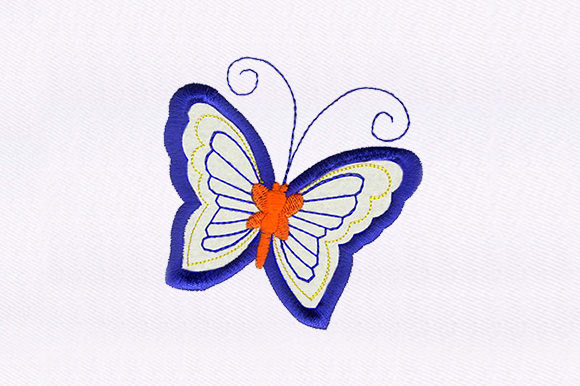
The first thing that struck me about Butterfly Applique was its delicate yet bold presence. The shape is classic—winged and symmetrical—but the detailing elevates it beyond the ordinary. It uses a combination of satin stitch for the body and wings, along with subtle fill stitches to create texture and depth. The running stitch outlines give it a clean edge, making it ideal for both modern and traditional embroidery styles.
What really sets this design apart is how it feels natural, like it could flutter off the fabric if given half a chance. That kind of visual personality is rare in machine embroidery and can significantly enhance the appeal of any handmade product. Whether you're designing for a personalized gift, a boutique item, or commercial use, this design brings a sense of artistry without being overwhelming.
Where This Design Fits Best
- Tote bag design – The size is perfect for a central motif on a cotton tote. The satin stitches lay smoothly and don’t distort the fabric.
- Sweatshirt embroidery – Placed on the chest or back, the butterfly adds a subtle pop of color and detail, especially when using pastel threads.
- Baby embroidery – Its soft appearance works well with gender-neutral baby clothes or nursery decor, offering a sweet and sophisticated look.
- Embroidered patch – When stitched as a standalone patch, it becomes a versatile accessory for denim jackets, backpacks, or even custom aprons.
- Holiday gifts – Imagine a festive tea towel or pillow cover featuring this design in seasonal colors—it instantly elevates the gift's perceived value.
Real-World Performance and Stitch Quality
I recently used Butterfly Applique on a custom sweatshirt order for a client’s daughter, and the results were impressive. The design came in at just under 4×4 inches, which is great because it fits within standard hoops and allows room for positioning without crowding the rest of the layout. The stitch count (5480) is moderate enough for most home machines to handle, provided you’re using the right settings and stabilizer.
One of the things I always check is how the design behaves on different fabrics. On medium-weight cotton, it performed flawlessly—the satin stitches were smooth, and the fill areas didn’t pucker. But on a stretchy rayon blend, I noticed some slight distortion around the wing edges. So, while it's not a showstopper, it does remind us that fabric texture plays a big role in the final outcome.
The file format compatibility is also solid. With support for over a dozen formats including DST, PES, JEF, and EXP, it’s easy to convert and test across various machines. As a designer, I appreciate having flexibility in where I can deploy the design, whether it's for a small shop product or a high-volume commercial embroidery job.
Visual Appeal vs. Stitching Clarity
Visually, Butterfly Applique is charming. It has a soft gradient effect in the wings that gives it dimension, and the body is detailed enough to stand out without being too busy. However, when it comes to stitching clarity, the details in the wings require careful attention. If you're planning to use this on something like a custom apparel piece or a holiday gift, make sure your thread colors contrast well with the fabric background.
I recommend doing a black and white mockup before finalizing the thread choices. This helps ensure that the design remains legible and aesthetically pleasing regardless of the base fabric. In my tests, the design looked best on light-colored backgrounds, though it still had character on darker ones if you used contrasting threads.
Design Considerations for Different Projects
Let’s talk about practical use cases. For an Etsy seller or a craft fair vendor, this design would work beautifully on handmade pillow covers or embroidered patches for sale. Its size and style are versatile enough to fit into many niches—from bohemian home goods to minimalist children’s items.
When considering commercial embroidery, the design holds up well as part of a larger collection of motifs. It’s not too flashy, so it won’t clash with other elements in a themed line. I also think it would pair nicely with floral or nature-based design assets, creating a cohesive look for boutique branding or seasonal collections.
For small business owners aiming to build brand consistency through embroidered merchandise, this butterfly is a good candidate for subtle placement on aprons, tote bags, or even kitchen towels. It doesn’t shout, but it does linger in the viewer’s memory—a key trait for customer recognition and repeat engagement.
Use Cases to Approach with Caution
- Small hoop sizes – While the design fits within a 4×4 inch hoop, smaller formats might lose some of the delicate detail in the wings.
- Textured or stretchy fabrics – The intricate parts of the butterfly may become misshapen if not stabilized properly. Always do a test run on similar fabric types before mass production.
- Dark fabric backgrounds – You’ll need to choose thread colors carefully to maintain visibility and avoid muddying the design.
- Products needing frequent washing – Dense areas of stitching may affect durability over time. Consider using all-purpose polyester threads or reinforcing with interfacing if needed.
- Curved surfaces – The design isn’t suited for curved areas like caps unless you adjust the layout and tension accordingly.
Practical Tips for Embroidery Designers
Before jumping into a real project, here are some steps I took to evaluate Butterfly Applique:
- Tested it on scrap fabric to see how it behaved during stitching and after washing.
- Reviewed stitch density, especially in the wing sections, to avoid puckering on thinner materials.
- Confirmed the hoop size (4×4 inches) matched my needs and allowed for proper spacing around the design.
- Inspected small details like antennae and wing patterns to ensure they remained intact post-stitching.
- Used a printable mockup to visualize how it would look on different products before committing to a batch.
As a seasoned reviewer, I always suggest testing the design in both personal and commercial scenarios. Even if the digital preview looks great, real-world conditions—like tension settings, fabric thickness, and machine type—can change the result dramatically. Don’t skip the test piece!
Thread Color and Fabric Contrast
Thread choice is critical with this design. Since it relies on visual layering and shading, using monochromatic threads can flatten the image. Conversely, using too many bright colors might overwhelm the simplicity of the motif. Stick to 3–4 thread colors max, and let each contribute to the overall flow and tone of the design.
I also ran a version in black on a cream background and a cream on navy version. The former worked perfectly as a decorative accent, while the latter required more strategic color selection to keep the butterfly visible. Use a stabilizer on dark fabrics to help the design pop without adding unnecessary bulk.
Final Thoughts on Project Fit and Professional Use
Overall, the Butterfly Applique is a reliable and attractive addition to any embroiderer's toolkit. It brings a natural, artistic flair that appeals to customers looking for personalized or meaningful handmade products. From a professional standpoint, it’s suitable for both hobbyists and digital product sellers, especially those in the Bugs category or related themes like garden, spring, or nature-inspired designs.
However, don’t assume it will perform equally well on every surface. Take time to consider the fabric, the placement, and the audience. For example, a custom apparel line targeting adults might prefer a muted palette, while a holiday gift collection could benefit from brighter, bolder colors.
Lastly, always confirm licensing terms if you plan to sell finished items or digital embroidery files. Some designs come with restrictions, and staying compliant is essential for maintaining customer trust and avoiding legal pitfalls.
Why I Recommend It
There’s a reason why butterflies are such popular symbols in embroidery—they represent transformation, beauty, and freedom. The Butterfly Applique captures that essence well, and with the right preparation, it can become a signature element in your embroidery project portfolio. It's not just another machine embroidery design; it's a thoughtful piece that enhances product value and stands out in a market full of generic options.
Whether you're an apparel decorator, a creative entrepreneur, or simply a hobbyist exploring new design assets, this butterfly has the potential to bring a fresh, organic touch to your work. Just remember to test, adapt, and always respect the fabric and machine limitations. With those steps in mind, you're well on your way to creating a finished product that customers will love and return for again and again.