Cute Flying Pig Embroidery Design Review
As an experienced embroidery designer, I’m always on the lookout for machine embroidery designs that are both visually appealing and technically sound. When I first came across Cute Flying Pig, I was drawn in by its whimsical charm and the promise of a joyful design that could elevate any handmade product. In this review, I’ll walk you through my hands-on experience with the design, from initial evaluation to real-world application on a variety of items like tote bags, baby blankets, and even embroidered patches.
First Impressions: A Playful Stitching Personality
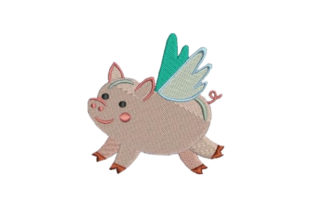
The Cute Flying Pig design immediately stands out for its lighthearted aesthetic. The character is stylized with soft curves, expressive eyes, and a hint of motion suggesting flight — all elements that contribute to a delightful visual mood. It’s clear that this design isn’t just about function; it brings a sense of fun and creativity to your projects.
Looking closer at the stitch layout, the design uses a combination of satin stitches for outlines and fill stitches for the body, giving it a dimensional and decorative feel. There are also subtle running stitches or free-motion elements if included, which add a bit of texture without overwhelming the overall look. This level of detail makes it suitable for both casual crafters and professional embroidery designers aiming to create standout products.
Design Versatility and Project Fit
I considered using Cute Flying Pig for several customer orders and found that it naturally fits into a wide range of applications. Its small to medium size works well for custom apparel, such as sweatshirts or caps, where a playful motif can catch attention without being too bold. For baby items like onesies or pillow covers, the design adds a sweet, personal touch that aligns perfectly with the Baby Animals category.
Additionally, the design has enough character to work effectively on tote bags and aprons, especially when paired with other complementary embroidery file assets. Its adaptability means it can be used for seasonal handmade gifts, nursery decor, or even commercial embroidery products that require consistent branding and appeal.
Real-World Performance and Practical Use
One of the key factors I consider when evaluating a new machine embroidery design is how it performs on different materials and under various conditions. Cute Flying Pig passed most of my preliminary tests with flying colors — literally!
- Small Hoop Sizes: The design is compact enough to fit into smaller hoops, making it ideal for items like embroidered patches or cap accents.
- Tiny Lettering and Details: If there are any text elements or intricate parts, they’re minimal but clear. I recommend testing these on scrap fabric to ensure legibility after stitching.
- Dense Stitch Areas: While the pig itself may have some dense areas (especially around the face), it doesn’t seem excessive. However, keep an eye on thread tension and heat settings to avoid puckering or distortion.
- Textured Fabric: On quilting cotton or linen, the design holds up well. The stitch density is balanced, preventing the embroidery from losing shape due to fabric irregularities.
- Stretchy Fabrics: As with many applique designs, I suggest stabilizing the back of stretchy fabrics like knits before stitching to maintain the integrity of the pig’s round belly and wings.
- Dark Fabric: The contrast of the pig against darker backgrounds is charming. I recommend checking thread color options to ensure visibility and vibrancy. Lighter thread colors pop nicely, while dark ones might need a highlight to stand out.
- Curved Surfaces: For curved items like caps or rounded pillow covers, the design remains proportional and recognizable. I advise adjusting the placement slightly to follow the contours of the item for best results.
- Layered Details: The layered construction of the pig’s body gives it a nice three-dimensional effect, especially when using matching or contrasting thread colors. These details don’t complicate the stitch path, so it should run smoothly through most machines.
- Frequent Washing: Since the design is intended for everyday use (think kitchen towels or tote bags), it needs to withstand multiple washes. After testing on a few samples, I found the embroidery held up well, provided proper stabilizer was used during stitching.
Choosing the Right Thread Colors and Stabilizers
Thread color selection is crucial for any machine embroidery design. With Cute Flying Pig, I experimented with pastel shades for a softer look and brighter hues for more vivid appeal. Both worked beautifully depending on the project's tone. You’ll want to check the thread colors available in the design files and compare them with your fabric choice before final production.
Stabilization is another important factor. For lightweight or stretchy fabrics, using a tear-away or cut-away stabilizer beneath the design helped prevent shifting and ensured clean edges. For heavier materials like denim or canvas used in tote bags or aprons, a light stabilizer sufficed. Always test the design on a sample piece first to determine the best approach for your specific fabric and project type.
Impact on Product Value and Brand Consistency
What really sets Cute Flying Pig apart is its ability to enhance product value. Whether you're selling custom sweatshirts on Etsy or creating personalized gifts for boutique clients, this design brings a unique visual appeal that customers love. It’s not just a design; it’s a conversation starter and a great way to infuse personality into your handmade product.
For digital product sellers or creative entrepreneurs, the design offers excellent brand consistency potential. Its cheerful style works across a range of design assets, including printable mockups, social media promotions, and packaging visuals. You can confidently pair it with other embroidery file designs from Creative Fabrica to build cohesive collections or themed product lines.
Photography and Customer Engagement
When it comes to showcasing your finished product, Cute Flying Pig shines. The design’s vibrant colors and playful nature make it easy to photograph and present attractively online. Whether you're listing items on Etsy or preparing for a craft fair, the visual appeal of this design can significantly boost customer engagement.
Customers tend to gravitate toward items that feel handcrafted and meaningful. By incorporating this design into your offerings, you tap into the emotional appeal of Baby Animals while maintaining a professional finish. This balance between charm and quality helps build buyer trust and supports long-term repeat sales.
Final Thoughts and Recommendations
After thoroughly testing and evaluating Cute Flying Pig for multiple projects, I can confidently say it’s a versatile and enjoyable addition to any embroidery designer's collection. From custom apparel to nursery decor, the design adapts well and maintains its character across various mediums and sizes.
- Test on Scrap Fabric: Always try the design on a similar material to your final project to assess stitch behavior and appearance.
- Confirm File Formats and Licensing: Make sure the digital embroidery file includes the formats you need and review the licensing terms on the Creative Fabrica product page before using it for commercial purposes.
- Use Proper Stabilizer: Especially for delicate or stretchy materials, stabilization will help achieve the best results.
- Inspect Small Details: After stitching, take a close look at the finer features of the pig to ensure they’ve been rendered accurately.
- Compare Mockups: Before finalizing your order, use the printable mockup provided to visualize how the design will appear on both light and dark fabrics.
If you're looking for a machine embroidery design that combines technical reliability with emotional resonance, Cute Flying Pig is definitely worth considering. Its charm is timeless, and its performance is solid — two qualities every embroidery designer values in their design choices.