★★★☆☆3.8(76 reviews)
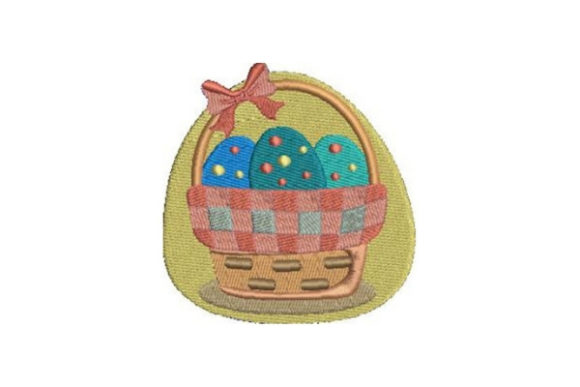
Easter Basket Embroidery: A Festive Design for Personalized Gifts
First Impressions of the Easter Basket Embroidery Design
As an experienced embroidery designer who has worked with countless digital embroidery files, I was immediately drawn to the charm and warmth of the Easter Basket design. From the moment I opened the file, it exuded a sense of joy and celebration that feels perfectly aligned with the spirit of springtime and Easter traditions. The overall mood is sweet and festive, making it ideal for those looking to create heartfelt, seasonal personalized gifts.Versatile Uses for the Easter Basket Embroidery
- Baby blankets: This design adds a gentle touch of festivity, perfect for parents wanting to celebrate their child's first Easter.
- Embroidered towels: Ideal for a kitchen towel or bath towel, the Easter Basket design becomes a cheerful addition to daily life.
- Pillow covers: Stitching this design onto a pillow cover makes for a lovely nursery or living room decor piece.
- Custom tote bags: Especially popular during the holiday season, these make great gift bags or reusable shopping totes.
- Aprons: A personalized embroidered apron with the Easter Basket motif could be a fun project for families preparing for spring baking or decorating eggs.
- Blanket embroidery: For larger items like throw blankets, the design can be scaled up to create a stunning focal point.
- Craft fair products: The Easter Basket design is a crowd-pleaser and could easily become a staple in your small shop product lineup during the spring season.
- Etsy listings: As an Etsy seller, you’ll appreciate how this design helps differentiate your custom embroidery offerings from mass-produced items.
- Wedding gifts: With subtle adjustments, such as adding names or dates, it could serve as a unique Easter-themed wedding keepsake.
When to Use the Easter Basket Design with Care
- Small lettering: If you plan to add names or text within the design, be sure to use a clear font and test how it stitches at smaller sizes.
- Delicate details: The intricate parts of the design require careful handling during the embroidery process to avoid distortion.
- Textured fabric: On fabrics like linen or canvas, the fine lines may not stitch as cleanly. Smooth cotton or blends work better.
- Thick towels: Because of the layered nature of towels, you may need to adjust stitch density or choose a simpler version of the design.
- Stretchy baby clothes: Stretchable materials like jersey knits can cause misalignment. Consider using a stabilizer to maintain shape and clarity.
- Curved surfaces: When applying the design to curved items like mugs or round pillows, ensure the hoop holds the fabric tightly to prevent puckering.
- Dark fabric: The thread colors may appear muted. Always do a mockup to confirm visibility before committing to production.
- Frequent washing: Items like dishcloths or aprons will need durable threads and proper backing to hold up over time.
Enhancing Giftability and Perceived Value
What sets the Easter Basket apart is how it enhances the giftability of a product. It doesn’t just look good—it feels good. The design evokes a sense of care and thoughtfulness, which customers notice and value. As a result, it can significantly boost the perceived value of your handmade product. For personalized gift shops, this kind of emotional connection is everything. Customers are more likely to return if they feel their purchase carries meaning and beauty. The Easter Basket design does exactly that—offering a blend of tradition and creativity that resonates with many buyers.Photography and Buyer Engagement Tips
Product photography should highlight the depth and color contrast of the embroidery. Make sure to capture close-ups of the small details so customers can see the craftsmanship involved. This attention to presentation reinforces the handmade quality and builds confidence in your commercial embroidery offerings.Practical Embroidery Notes for Real Projects
- Test on scrap fabric: Every machine and every fabric behaves differently. Do a trial run to check for tension issues or missed stitches.
- Check thread color contrast: Some thread colors may not stand out as expected. Use swatches or digital previews to confirm.
- Confirm hoop size: If the hoop size isn’t specified, always verify compatibility with your machine and the scale of the design.
- Review stitch density: Adjust settings based on the fabric type to avoid puckering or overly loose embroidery.
- Use proper stabilizer: Especially important for delicate or stretchy fabrics. Tear-away or cut-away stabilizers can save you from headaches later.
- Compare light and dark fabric mockups: This ensures your customers understand how the design will appear on their chosen material.
- Check small details after stitching: Zoom in on the final product to make sure all the tiny elements came through clearly.
- Confirm commercial licensing: Before selling finished products, always review the terms of the digital embroidery file to ensure it’s permitted for commercial use.
⬇️ Download Free
Free download · No sign-up required
🔗 You Might Also Like

Wild Animals
If you're in the business of creating personalized gifts or looking to elevate y...
Mexico
First Impressions of Papel Picado Alphabet I As an experienced embroidery design...
Toys
As an experienced embroidery designer, I always approach a new design with a mix...

Animal Quotes
First Impressions of Wipe Your Paws When I first opened the machine embroidery d...
Farm Animals
As an experienced embroidery designer, I recently had the opportunity to test th...
