Life is Better Embroidery Design Review
A Warm Welcome for Farm Lovers and Creative Makers
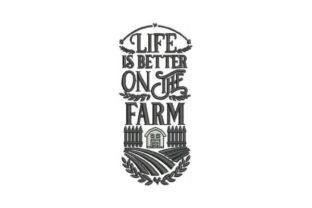
The Life is Better embroidery design immediately stands out with its friendly, inviting tone and rustic aesthetic. It’s the kind of quote that feels right at home on a cozy farmhouse wall or stitched onto a soft flannel shirt after a long day in the fields. As an experienced designer and product reviewer, I appreciate how this design balances charm with clarity—something not every embroidery quote achieves.
Visually, it has a clean layout with a touch of character. The lettering isn’t overly ornate but carries enough texture to suggest hand-stitched warmth without sacrificing readability. This makes it ideal for custom apparel, especially pieces like sweatshirts or tote bags where you want the message to be both stylish and straightforward. The theme naturally aligns with a farm-inspired vibe, which opens up many possibilities for use in lifestyle products and handmade gifts.
First Impressions: Mood and Visual Personality
When I first opened the digital embroidery file, I was struck by the simplicity and balance of the composition. The phrase “Life is Better” is centered, with each word spaced just enough to feel intentional. The overall mood is positive and grounded, which could appeal to a wide audience—from nostalgic grandparents to modern-day homesteaders.
I also noticed that the design avoids unnecessary embellishments, which is a big plus when considering how it will translate across different fabric types and stitching methods. There are no tiny details that might disappear under stitch coverage, and the corners are rounded in a way that suggests comfort rather than rigidity. This visual personality makes it feel more like a personal message than a generic slogan.
Real-Life Application: Where This Design Shines
Let’s say you’re preparing a custom embroidered tote bag for a local farm market vendor. The Life is Better design would fit perfectly here. Its bold yet approachable style ensures visibility even from a distance, and the sentiment resonates well with customers who appreciate a down-to-earth message.
Similarly, if you're working on sweatshirt embroidery for a family-oriented brand, this design brings a sense of unity and positivity. The shape of the letters allows them to be easily adjusted in size, making it suitable for both large chest placements and smaller back-of-neck designs. It can also work well as an embroidered patch for denim jackets or aprons used in country boutiques.
For those creating handmade products like pillow covers or kitchen towels, the design maintains a cohesive look whether stitched in bright pastels or muted earth tones. It adds a subtle layer of personality to everyday items, which is perfect for Etsy sellers and small shop owners looking to elevate their offerings with thoughtful branding.
Design Considerations for Different Projects
- Baby clothes: The design could be softened with gentle pastel thread colors and paired with other farm-themed motifs like chickens or tractors. But keep in mind, any intricate detail must be simplified for safety and comfort on delicate garments.
- Holiday gifts: Stitched onto a woolen blanket or felt ornament, this design becomes a heartfelt statement piece. Just ensure the stitch density is light enough to avoid stiffening the fabric.
- Commercial embroidery: With its adaptable layout, it can serve as part of a collection of seasonal or thematic design assets. However, always double-check licensing before using it in mass production or digital product sales.
- Printable mockups: For digital product sellers, the design looks great in preview templates. Its balanced proportions make it easy to scale and position accurately for online listings.
Where Caution Is Needed
While Life is Better is versatile, there are certain situations where it requires careful handling. First, consider the hoop size. If your project involves a small hoop (like for a cap or baby hat), the design may need to be scaled down significantly, which could impact the legibility of individual letters.
On textured fabrics, such as canvas or linen, the design holds up well due to its straightforward structure. However, on thin or stretchy fabrics, like rayon or spandex blends, you’ll need to adjust stitch settings and possibly add extra stabilizer to maintain clarity and prevent distortion.
Dark-colored backgrounds can mute the visual impact of the design unless you choose high-contrast thread colors. I recommend testing it in black and white mockups to see how it performs against various fabric shades before finalizing your color palette.
If you're planning to embroider on curved surfaces, like a baseball cap or a curved portion of a jacket, you’ll need to break the design into sections or use a specialized curved embroidery setting. Otherwise, the straight lines may appear warped.
Small Details That Matter
This design doesn’t rely on flashy effects, but it does include some nice touches—like subtle outlines or fill stitches that help the text pop while maintaining a soft, artisanal feel. These elements are great for adding depth to a tote bag design, but they require attention to stitch density to avoid puckering or over-stitching on delicate materials.
Also, if you plan to use it on a product that sees frequent washing—such as aprons or tea towels—it’s essential to test how well the machine embroidery design holds up over time. Designs with heavy satin stitching may fade faster or lose their crispness unless reinforced properly.
Impact on Product Value and Customer Perception
As a designer, I know that the right embroidery can transform a basic item into something memorable. The Life is Better design contributes to the visual appeal of a product by conveying a positive, relatable message. It adds a level of professionalism to your finished product while still feeling personal and handcrafted.
When applied to a personalized gift, like a custom sweatshirt or holiday ornament, it enhances the emotional value of the item. Customers tend to trust brands that offer meaningful and consistent design language. This design helps maintain brand consistency in a craft business lineup, especially if you're targeting the farm and rural lifestyle niche.
Its versatility means it can be used across multiple product categories without losing its identity. Whether it's on a kitchen towel, a nursery wall hanging, or a boutique T-shirt, the design retains its core message and aesthetic integrity.
Designer Notes for Practical Use
- Test on scrap fabric first: Before committing to a full batch, stitch the design on a few scraps to evaluate how it behaves with your machine, threads, and stabilizers.
- Check thread color contrast: Especially important on dark fabrics. Don’t assume red thread will stand out—test it!
- Review stitch density: If you're using satin or fill stitches, make sure they aren’t too tight on thin or stretchy materials.
- Confirm hoop size requirements: Some machines have limitations on how large a design they can handle. Always verify before starting.
- Inspect small details: Although the design is clean, zoom in on the letters to check for hidden complexities or tiny gaps that might cause issues during stitching.
- Use proper stabilizer: A tear-away or cut-away stabilizer is often necessary depending on the fabric and stitch type being used.
- Consider commercial viability: Make sure the license allows for resale of the finished product or distribution of digital embroidery files if you're selling kits or digital downloads.
Final Thoughts for Makers and Sellers
The Life is Better embroidery design is a solid choice for anyone looking to add a touch of warmth and personality to their handmade products or small shop merchandise. It works best on flat, medium-weight fabrics where the message needs to remain clear and impactful. While it’s not the most complex design, it delivers strong visual appeal and emotional resonance—two key factors in building customer engagement and loyalty.
Whether you're a hobbyist stitching a personalized gift or an Etsy seller crafting a line of farm-themed décor, this design offers a lot of creative flexibility. Just remember to adapt it according to the fabric, placement, and end-use to ensure it meets your quality standards and customer expectations.